.png)


How Childhood Trauma Can Impact Adult Anxiety, Depression, and Emotional Wellness

Childhood is supposed to be a foundation, a stretch of years where a person learns that the world is safe and that they are worthy of care. But for a large share of adults, that foundation was cracked early by abuse, neglect, household dysfunction, or other frightening experiences. Decades of research now confirm what many clinicians have long suspected: childhood trauma doesn't stay in the past. It follows people into adulthood and shapes their anxiety, depression, and overall emotional wellness in measurable, lasting ways.

The Science Behind the Connection
Much of what we know comes from the landmark Adverse Childhood Experiences (ACE) Study, a collaboration between the CDC and Kaiser Permanente that surveyed more than 17,000 adults. As one detailed analysis of the ACE data explains, the higher a person's ACE score, the higher their odds of adult depression, and more recent studies have found comparable odds ratios for anxiety disorders as well. Nearly two-thirds of adults report at least one adverse childhood experience, and roughly one in six report four or more.
This dose-response pattern, more trauma and more risk, has been replicated repeatedly. A longitudinal study using the Add Health dataset, which followed nearly 13,000 people from age 12 to 43, found that adverse childhood experiences shaped depression trajectories across the entire lifespan, with almost 15% of participants reporting four or more ACEs. A planned systematic review and meta-analysis similarly describes a strong, dose-dependent relationship between ACEs and adult anxiety, depression, PTSD, self-harm, and suicidality.

The effect isn't confined to any one population. Research from two outpatient psychiatric facilities in Johannesburg found that each additional adverse childhood experience was associated with a 12% increased risk of depression and a 10% increased risk of anxiety, with nearly half of participants screening positive for depression overall. And the consequences don't fade with age: a study of brain structure in aging adults found that ACEs remained associated with mental health symptoms decades later, alongside measurable differences in brain regions tied to memory and emotional regulation.
Why Early Trauma Leaves Such a Long Shadow
Childhood trauma doesn't just create bad memories, it can recalibrate how the nervous system responds to stress for life. Toxic stress in early childhood alters the brain's stress-response systems, which is part of why survivors of adverse childhood experiences often struggle with unhealthy coping habits, including substance use, well into adulthood. Researchers have also examined biological pathways such as cortisol dysregulation, chronic inflammation, and even cellular aging markers as possible mechanisms linking ACEs to anxiety, depression, and PTSD. On the psychological side, a systematic review of resilience pathways found that early adversity often shapes negative core beliefs about the self and others, which can quietly drive depression and anxiety symptoms for years without the person tracing them back to their origin.
Healing Is Possible
The encouraging counterpoint to all this research is that trauma's effects are not fixed. Therapy, particularly trauma-informed and evidence-based approaches like cognitive behavioral therapy or EMDR, can help people process painful early experiences, unlearn maladaptive coping patterns, and rebuild a genuine sense of safety. Social support and professional care are consistently identified as key protective factors that help people build resilience after adversity.
For adolescents (15 and older) and adults whose depression has become severe or hasn't responded fully to therapy and medication, NeuroStar TMS (Transcranial Magnetic Stimulation) is another option worth discussing with a psychiatrist.
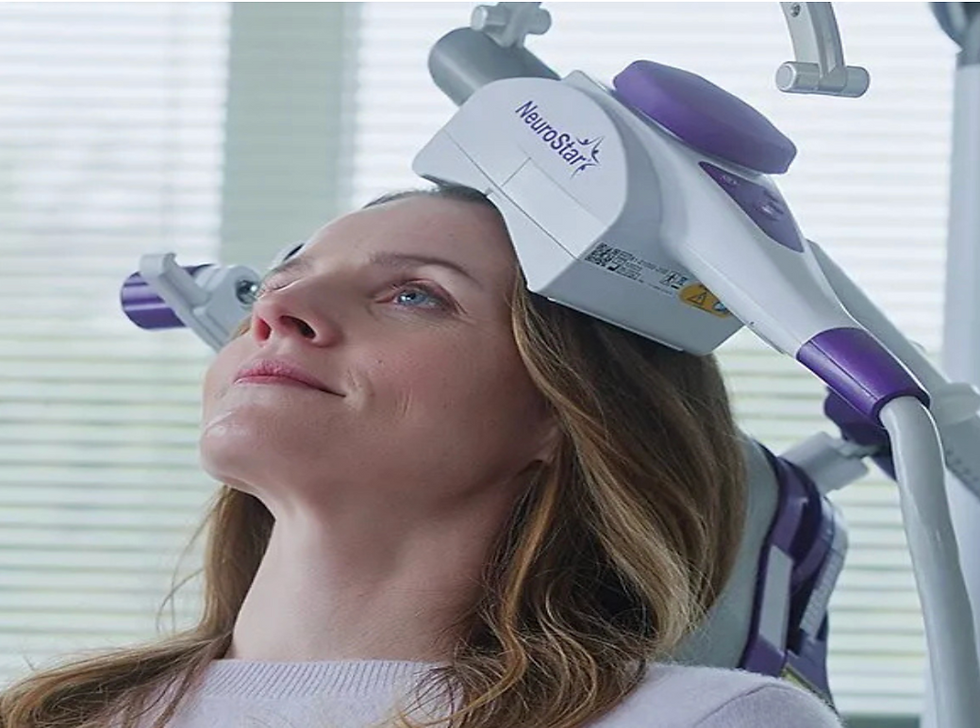
NeuroStar uses magnetic pulses to stimulate underactive regions of the brain involved in mood regulation, without the systemic side effects of medication. Outcomes tracked in the NeuroStar Advanced Therapy Outcomes Registry, the largest real-world data set for major depressive disorder, show an 83% response rate and a 62% remission rate among patients who completed treatment, making it a meaningful option for those whose depression has deep, long-standing roots.
Moving Forward
Childhood trauma can shape the emotional architecture of adulthood, but it doesn't have to determine it. With the right combination of therapy, support, and, when needed, treatments like NeuroStar TMS, healing is genuinely possible. If early experiences are still affecting your anxiety, depression, or day-to-day emotional wellness, reaching out to a mental health professional is a meaningful next step.
We're Here to Help
You don't have to work through the effects of childhood trauma on your own. The team at Comprehensive Psychiatric Services offers compassionate, expert care across our California locations, including in-person appointments, telehealth, and NeuroStar TMS therapy for those who need it. If you're ready to talk to someone, you can request an appointment online or call us at 833-277-0071. Whatever you're carrying from your past, our providers are ready to help you build a healthier, more secure future.


Comments